
Biomechanics for Medical and Assistive Device Engineering (BIOMADE) Lab

Biomechanics for Medical and Assistive Device Engineering (BIOMADE) Lab

Faculty-In-Charge

Prof. Ganesh M. Bapatt

Lab Overview
The Biomechanics Research Group in BITS Pilani Goa Campus strives to fulfill following objectives:

  • To investigate the physiological and biomechanical aspects of human gait and various musculoskeletal disorders
  • To assist people with walking gait impairments and devise novel treatment strategies for musculoskeletal disorders using assistive devices and therapy
  • To conduct meaningful scientific research that benefits society
  • To secure recognition and funding to support students and make them competitive for their future endeavors (Industrial/Academic job, R&D, Entrepreneurship etc.)

Key Research Areas

  • Assistive and Medical device design
  • Prosthetics, Orthotics and Rehabilitation
  • Gait Biomechanics
  • Computational Musculoskeletal Biomechanicsr
  • Product design and design optimization

Significant Facilities & Special Features

  • First of its kind Biomechanics Research lab in the state of Goa
  • Excellent facilities to design and test various assistive and medical devices
  • Capabilities of simulation based testing of assistive devices

Major Equipment
Other Facilities:

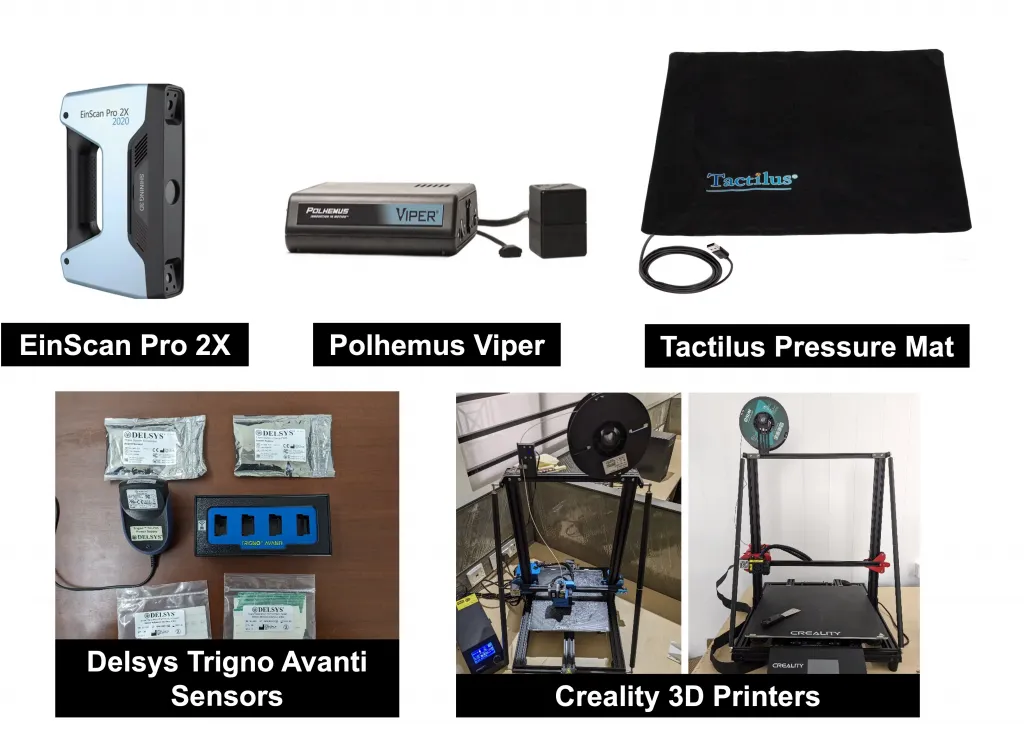
  • EinScan Pro 2X
    3D Scanner
  • Polhemus Viper
    Motion Capture System
  • Tactilus Pressure Mat
    Real-time Surface Pressure Mapping
  • Delsys Trigno Avanti Sensors
    EMG Sensors
  • 3 Computational Workstations and a Laptop for Simulations and Data Collection
  • Creality 3D Printers for Rapid Prototyping

Research Funding & Grants

  • BITS Pilani Research Initiation Grant: 2 Lakhs
  • BITS Pilani Additional Competitive Research Grant: 10 Lakhs
  • Delsys DeLuca Foundation, USA grant: 2.55 Lakhs
  • Department of Health Research grant: 51.96 Lakhs
  • Vissco industries CSR grant: 22 Lakhs
  • BITS Pilani Cross-disciplinary Research grant: 20 Lakhs

Research Funding & Grants

  • BITS Pilani Research Initiation Grant: 2 Lakhs
  • BITS Pilani Additional Competitive Research Grant: 10 Lakhs
  • Delsys DeLuca Foundation, USA grant: 2.55 Lakhs
  • Department of Health Research grant: 51.96 Lakhs
  • Vissco industries CSR grant: 22 Lakhs
  • BITS Pilani Cross-disciplinary Research grant: 20 Lakhs

Achievements

Patents:Total 5 patents filed, 2 design patents granted

Recognitions:

  • First prize winner of Developing Countries Grant Competition-2021, organized during the 28th Congress of the International Society of Biomechanics
  • Young Scientist travel grant by SERB (1.05 Lakhs) to attend international conference

Publications: Please scan the QR code for information regarding latest publications


Campus
Division/Department
Dynamics & Vibration Lab

Dynamics & Vibration Lab

Faculty-In-Charge

Prof. Pravin M. Singru

Lab Overview

This laboratory is well-equipped to conduct research in the areas of machine vibration analysis, acoustics, machine design, and failure analysis. The required measuring instruments, sensors, and software are available to conduct research in wide areas of acoustics, vibration, and machine design.

Key Research Areas

  • Machine Dynamics, Vibration & Control
  • Nonlinear Dynamics and Chaos
  • Musical Acoustics
  • Machine Condition Monitoring using Machine Learning
  • Assistive Devices in physically challenged

Significant Facilities & Special Features

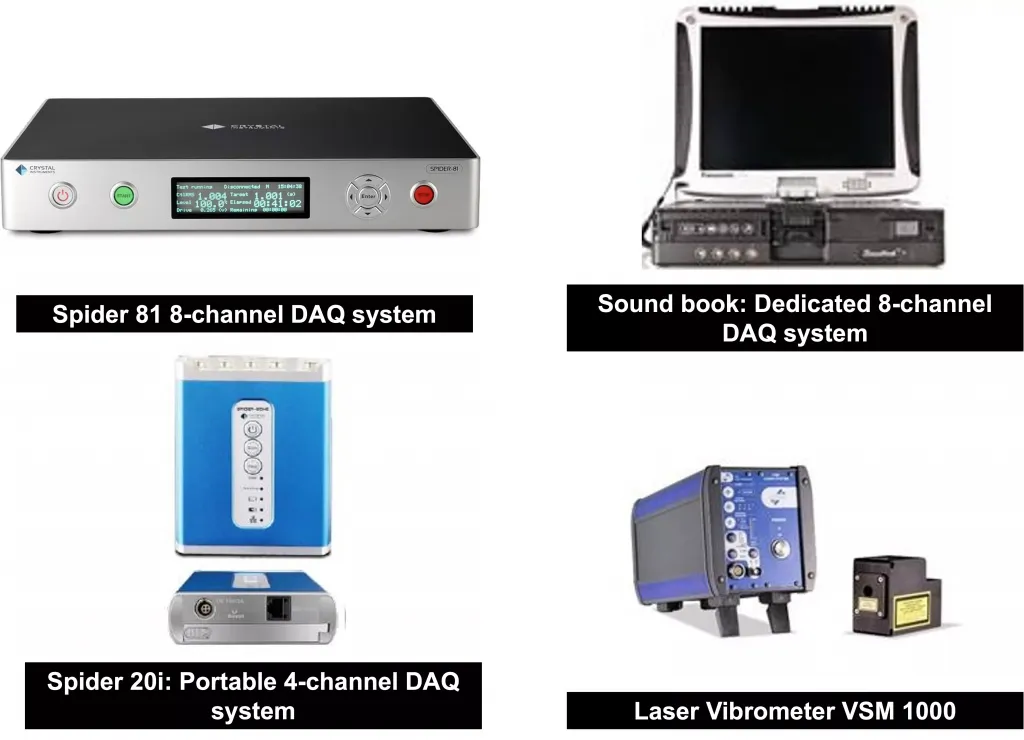
  • Accelerometers (single and triaxial), microphones (1/4”, ½”)
  • Human Vibration meter
  • Electrodynamic shaker
  • Data acquisition systems (4 and 8 channels)
  • Impact hammer
  • Laser Vibrometer, RPM Sensor
  • Sound level meter
  • Software: EDM, MESCOPE, SYNUS, MATLAB, ANSYS, SOLIDWORKS, ADAMS, HYPERMESH

Major Equipment

Research Funding & Grants

  • DST grant “An acoustic study, characterization, and standardization of the Sarasvati Veena” (37Lakhs)
  • DST -FIST (25 Lakhs)
  • Lockheed Martin Corporation, USA, “ RO-RO Challenge for C130J Aircraft, $ 25,000
  • National MEMS Design Center from NPMASS (Rs 30 Lakh)
  • BITS CDRF grant "Feature Engineering for Condition Monitoring of Machines Using Vibration Signature Analysis using Machine Learning " (Rs 20 Lakhs)
  • BITS PhD Drive grant “Development of Autonomous Staircase Climbing Wheelchair” (Rs 28 Lakhs)

Achievements

Publications: 43 International Journal, 6 Book Chapters, 38 Conference.

Patents: Four (Granted)

Recognition: Prof. Singru received the Research Excellence Award in the field of Societal Applied Research from BITS Pilani

Campus
Division/Department

High Performance Computing Lab

High Performance Computing Lab

Faculty-In-Charge

Prof. Vaibhav Joshi and Prof. Pritanshu Ranjan

Lab Overview

  • The lab deals with computational modelling of physical phenomena related to fluid mechanics, thermal engineering and structural mechanics
  • Numerical software development consisting of advanced algorithms is carried out for faster computations of large-scale industry problems

Key Research Areas

  • Computational Fluid Dynamics
  • Fluid-Structure Interaction
  • Heat Transfer
  • Bio-inspired Flapping
  • Hydroacoustic modelling
  • Multiphase modelling
  • Aerodynamics
  • Vortex-induced Vibrations

Significant Facilities & Special Features

  • Investigation of multiphysics coupled analysis of fluid-structure-thermal interaction
  • Arbitrary Lagrangian-Eulerian technique to capture moving boundary problems
  • Turbulence modelling for high Reynolds number flows
  • Nonlinear structural dynamics to model flexible structures

Major Equipment

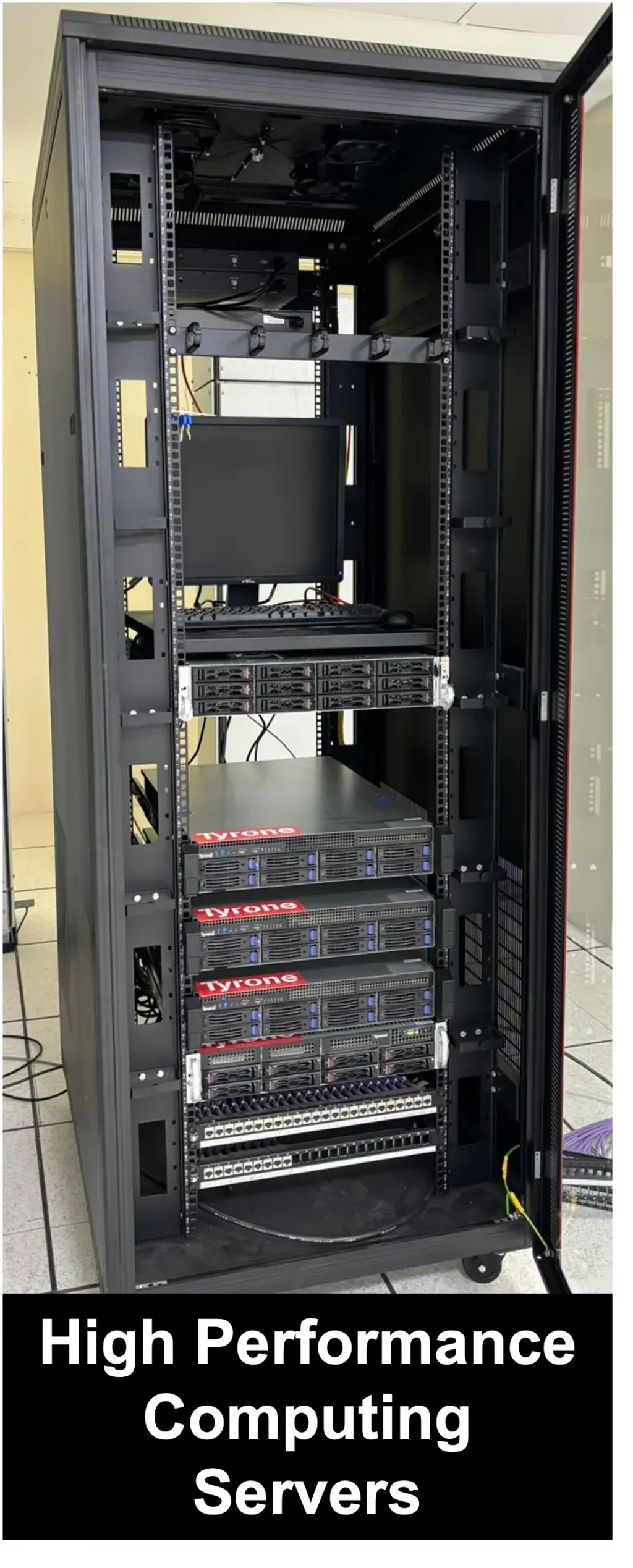
  • High-Performance Computing Facility
  • 5 Compute Nodes
  • Intel Xeon-Gold (6348, 5220r) processor
  • Total 320 Cores
  • 256 GB Memory per node
  • 1500 GB SSD
  • 10 Gbps LAN for high-speed networking
  • 2 x 36 port 56Gbps Infiniband switch QSFP + ports
  • 25 Workstations in Computational Lab

Research Funding & Grants

  • DRDO-ARDB [2020-2022]
  • “Drag Reduction by suppressing the Bi-Stability character of the wake”
  • ₹ 22.34 Lakhs
  • SERB-Start-up Research Grant [2022-2024]
  • “Bio-inspired flow dynamics of tandem flapping foils”
  • ₹ 13.86 Lakhs
  • DRDO-Naval Research Board (NRB) [2023-2026]
  • “Propulsive performance and hydroacoustics of tandem flapping foils for bio-inspired marine applications”
  • ₹ 39.21 Lakhs
  • SERB-Core Research Grant [2023-2026]
  • “An Experimental and CFD-DEM Study of Spouted Fluidized Bed Heat Exchanger for Non-Spherical Particles”
  • ₹ 23.87 Lakhs
  • Ministry of Earth Sciences [2024-2026]
  • “Flow-induced vibration of flexible risers and pipelines with grooves”
  • ₹ 39.06 Lakhs
Campus
Division/Department

Impact Engineering Lab

Impact Engineering Lab

Faculty-In-Charge

Prof. Kiran D. Mali

Lab Overview

The Impact Engineering Lab emphasizes hands-on learning and experimental analysis to study how materials respond to low-velocity impacts. It is equipped to facilitate advanced research, particularly in the areas of vehicle safety and low-velocity impact testing.

Key Research Areas

  • Low velocity impact testing
  • Crashworthiness studies
  • Experimental modal analysis

Significant Facilities & Special Features

  • Data Acquisition System
  • Accelerometers
  • Load Cells
  • Impact Hammer
  • Engineering Data Management Software
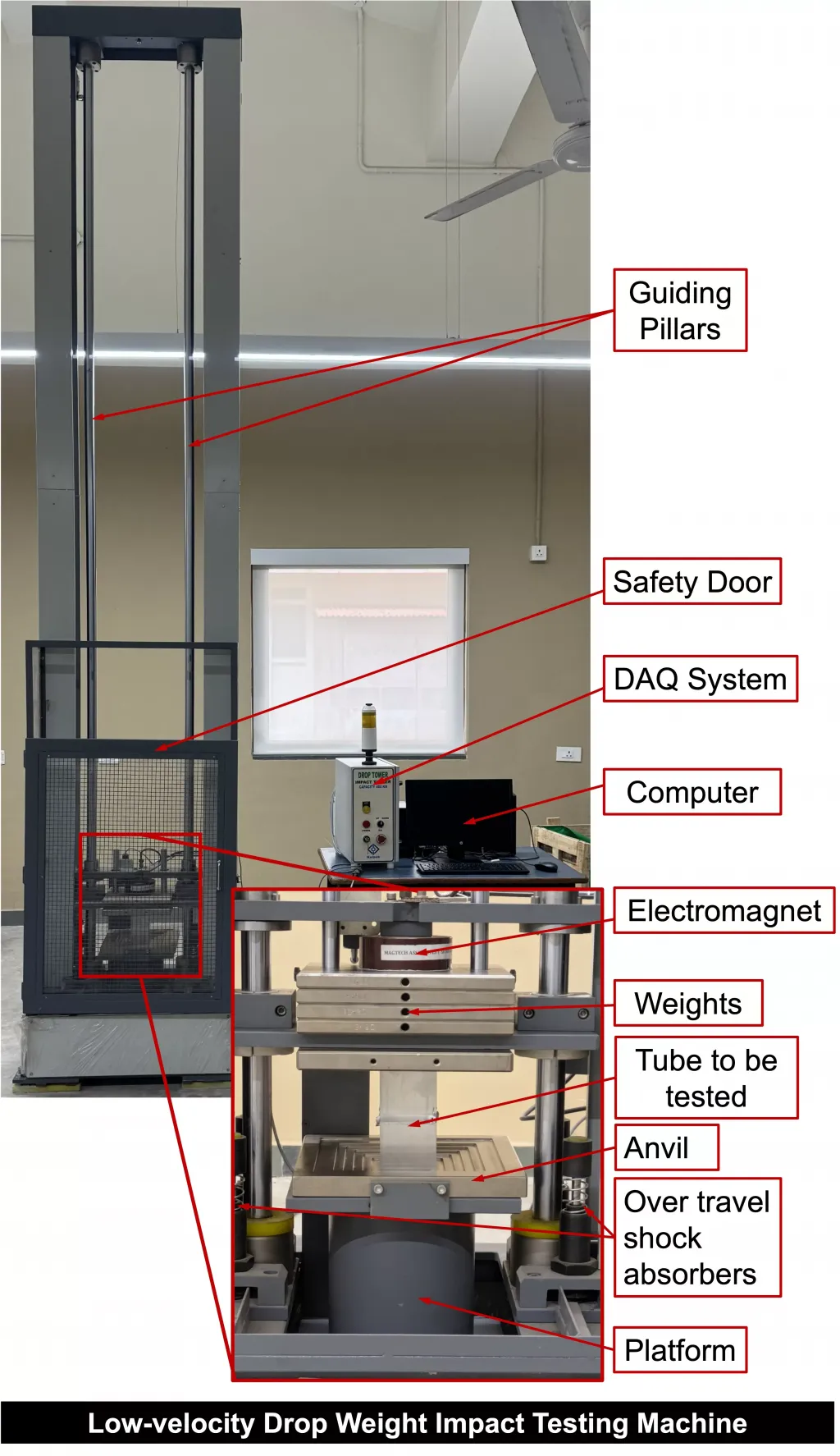
  • Low velocity drop weight impact testing machine
  • Drop Weight Range: 20 kg to 200 kg
  • Max. Height of Falling Weight: up to 3 m
  • Max. Velocity: 7.5 m/s

Major Equipment

Achievements

International Journal Publications:

  • Sudhanwa Mahesh Kulkarni, Kiran D. Mali, Dhananjay M. Kulkarni, N. Iniyan Thiruselvam, “Novel thermo-mechanical triggers processed by friction stir to enhance the crashworthiness of an automobile crash-box,” Engineering Failure Analysis, Volume 162, 2024, 108416, ISSN 1350-6307, https://doi.org/10.1016/j.engfailanal.2024.108416
  • Kulkarni, S. M., Priyal, V., Mali, K. D., & Kulkarni, D. M. “Selection of an appropriate material for a crash-box in multi-attribute group decision-making environment using R-method,” International Journal of Crashworthiness, 28(5), 2022, 616–628, https://doi.org/10.1080/13588265.2022.2111489
  • Sudhanwa M. Kulkarni, Priyal Vemu, Kiran D. Mali, Dhananjay M. Kulkarni, “Effect of geometric irregularities induced during manufacturing of a crash-box on its crashworthiness performance”, Materials Today: Proceedings, Volume 57, Part 2, 2022, Pages 715-721, ISSN 2214-7853, https://doi.org/10.1016/j.matpr.2022.02.179
  • Rushikesh, S., Kiran, M., Kathiresan, M., & Dhananjay, K. (2020). “Experimental and Numerical Study on Crashworthiness Parameters of Mild Steel Square Tube under Quasi-Static Axial compression”, International Journal of Vehicle Structures & Systems, 12(2), 113-117, https://doi.org/10.4273/ijvss.12.2.01

Book Chapters:

  • Sudhanwa Mahesh Kulkarni, Kiran D. Mali, Dhananjay M. Kulkarni, N. Iniyan Thiruselvam, “Influence of friction stir processing parameters on the mechanical properties of commercially available aluminium tubes,” 4th International Conference on Material Science (ICMS) – 2024, Tripura University, 31st Jan – 2nd Feb 2024,
  • Kiran D. Mali, Sudhanwa M. Kulkarni, Dhananjay M. Kulkarni, “Energy Absorption Characteristics of Thin-Walled Mild Steel Tubes of Different Cross-Sections Subjected to Axial and Oblique Impact Loading”, International Conference on Nanotechnology for Better Living, NBL-2023, NIT Srinagar, 25-29 May 2023.
  • Sudhanwa M. Kulkarni, Priyal Vemu, Kiran D. Mali, Dhananjay M. Kulkarni, “Effect of *IMPERFECTION and Various Contact Algorithms on the Simulation of Quasi-Static Collapse of Thin-Walled Energy Absorbers using ABAQUS/Explicit”, 3rd International Conference on Recent Advancements in Mechanical Engineering (ICRAME 2022), NIT Silchar, Assam, India, 04th - 06th February 2022
  • Sudhanwa M. Kulkarni, Priyal Vemu, Kiran D. Mali, Dhananjay M. Kulkarni, “Effect of geometric irregularities induced during manufacturing of a crash-box on its crashworthiness performance”, 3rd International Conference on Aspects of Materials Science and Engineering (ICAMSE 2022), Panjab University, Chandigarh, India, 04th - 05th March 2022 [Best Paper Presentation]
  • Kulkarni Sudhanwa M., Vemu Priyal, Mali Kiran D., Kulkarni Dhanajay M., “Energy Absorption Characteristics of Aluminium Alloy Tubes Subjected to Quasi-Static Axial Load”, 10th International Conference on Wave Mechanics and Vibrations (WMVC 2022), Lisbon, Portugal, 04th - 06th July 2022

Patents:

  • Kulkarni Sudhanwa Mahesh, Mali Kiran Dinkar, Kulkarni Dhananjay M, Shinde Rajiv Annarao, A Universal Fixture for Joining and Welding of Straight and Tapered Tubes or Pipes Longitudinally, Indian Patent, Application no. 202311059052, Filed on Sept. 2023
Campus
Division/Department

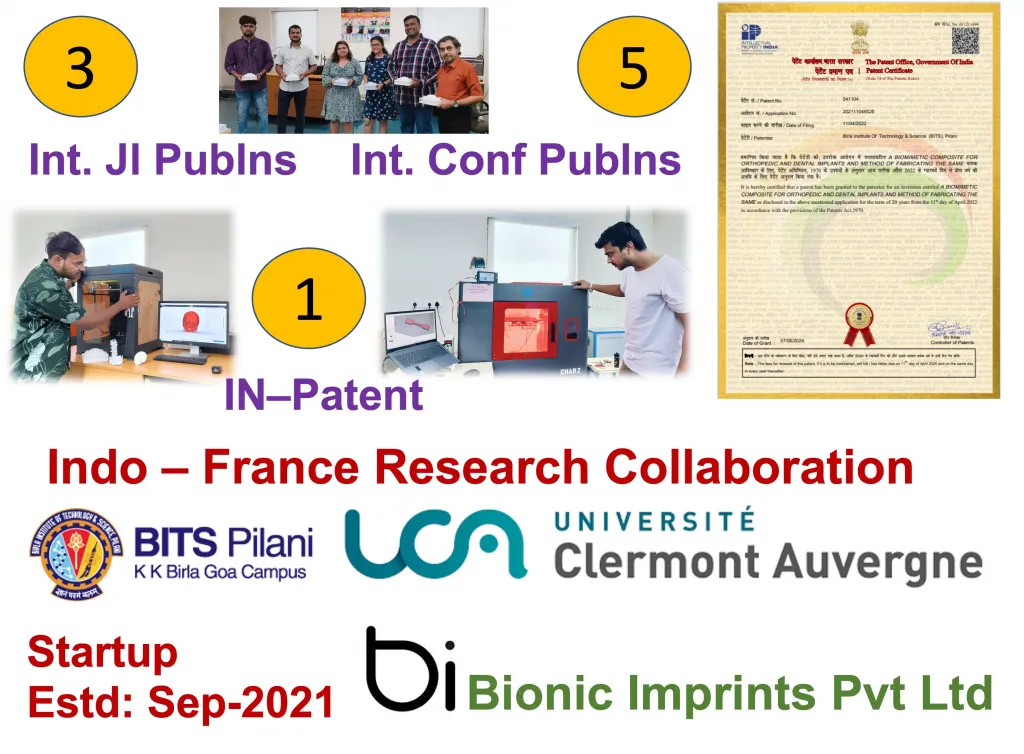
3D Printing & Image Processing Lab

3D Printing & Image Processing Lab

Faculty-In-Charge

Prof. D. M. Kulkarni

Lab Overview

  • Our laboratory is at the forefront of Additive Manufacturing (AM), specializing in the development of both metal and polymer-based 3D printing technologies.
  • We explore the mechanical characterization of these materials to ensure structural integrity and optimize performance for aerospace and healthcare applications.

Key Research Areas

  • Additive Manufacturing (Polymers & Metal)
  • High-resolution full-field deformation measurements (DIC)
  • Digital Dentistry
  • Material Characterization

Significant Facilities & Special Features

  • High-Precision 3D Printer & 3D Scanner
  • Advanced Imaging Systems: 3D Digital Image Correlation (DIC)
  • Computational Software: MATLAB R2022b, Visual Studio, ANSYS
  • 3D Slicers: Ultimaker Cura, Simplify 3D, Chitubox, Mishmexer, ANSYS 3D Slicer

Major Equipment

Other Facilities:

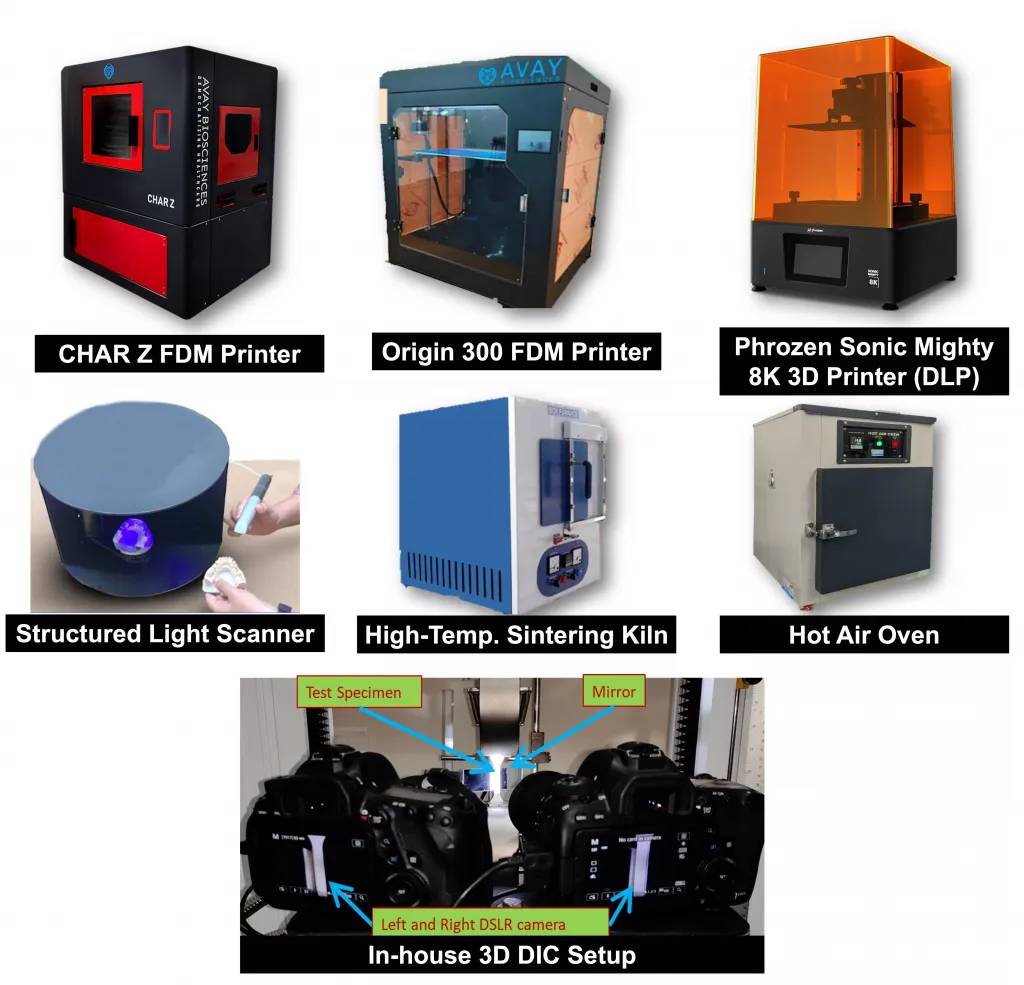
  • CHAR Z FDM Printer
    Ultra High Performance Materials (PEEK, CF-PEEK, PAEK, PEKK)
    Max Nozzle Temperature: 500°C
  • Origin 300 FDM Printer
    Engineering Materials (PLA, ABS, Flexible TPU, PETG, etc.)
    Max Nozzle Temperature: 300°C
  • Phrozen Sonic Mighty 8K 3D Printer (DLP)
    High-resolution printer suitable for creating detailed prototypes, intricate models, and precise components
  • Structured Light Scanner
    Tabletop and handheld variant
    Rapid scanning
    Fully automatic
  • High-Temperature Sintering Kiln
    Maximum temperature: 1600°C
    Programmable (TAP) control
  • Hot Air Oven
    Temperature range: 50–300°C
    Digital temperature controller
  • In-house 3D DIC Setup
    Used to obtain full-field deformation measurements
    Research Funding & Grants
  • Space: INR 36.29 Lakhs
  • Healthcare: INR 22.00 Lakhs

Achievements

Campus
Division/Department

Laser Materials Processing Lab

Laser Materials Processing Lab

Faculty-In-Charge

Prof. Biswajit Das

Lab Overview

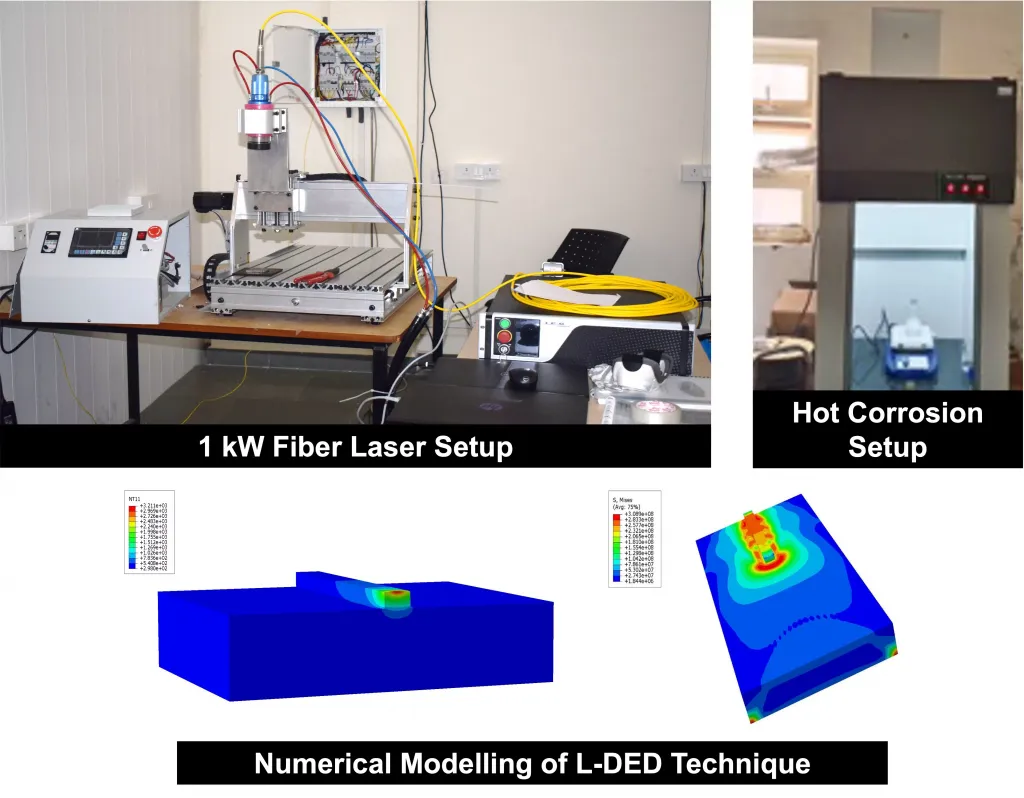
Our vision is to be at the forefront of innovation in laser-based technologies, i.e., additive manufacturing and laser materials processing. We also envisages to explore different surface engineering techniques along with cutting edge materials. This laboratory facilitates laser cladding, laser polishing and laser welding along with numerical modelling of L-DED technique. The area of applications are aerospace, automotive and nuclear industries.

Key Research Areas

  • Laser based additive manufacturing
  • Laser materials processing
  • Surface engineering
  • Materials and their characterization

Significant Facilities & Special Features

  • Preplaced laser cladding
  • Laser polishing
  • Laser welding

Major Equipment

Research Funding & Grants

  • Improvement of laser cladded Inconel surface using laser surface remelting technique (SERB–ANRF-TAR-2023-000061)
  • An investigation on intergranular corrosion performance of direct energy deposited Ni-based super alloy (RIG-Birla Institute of Technology and Science Pilani)
  • Study of molten pool and development of coaxial nozzle for laser cladding of Inconel (ACRG-Birla Institute of Technology and Science Pilani)
  • BEAT: Bio high entropy alloy based implant for medical industry (CDRF- Birla Institute of Technology and Science Pilani)

Achievements

Publications:

  • Manik A. Patil, Nirupan R., Biswajit Das, “Numerical modeling of critical velocity and deformation behavior in cold spray using Lagrangian and Arbitrary Lagrangian technique”, Solid State Phenomena, Volume 350, October 2023.
  • Palodhi L, Das B, Singh H., “Effect of particle size and morphology on critical velocity and deformation behavior in cold spraying”. Journal of Materials Engineering and Performance. 2021 Nov;30:8276-88.
  • Das B, Gopinath M, Nath AK, Bandyopadhyay PP., “Online monitoring of thermo-cycles during laser remelting of flame sprayed chromia coating in pulsed mode and coating properties”. Optik. 2021 Feb 1;227:166030.

Conferences:

  • Manik A. Patil, Nirupan R., Biswajit Das, “Numerical modeling of critical velocity and deformation behavior in cold spray using Lagrangian and Arbitrary Lagrangian technique”, Solid State Phenomena, Volume 350, October 2023.
  • Urjit Parab, Nitin Gautam, D.G.Bhosale, Biswajit Das, Manik A. Patil, “Prediction of Equivalent Plastic Strain in Cold Spray Process Using Feedforward Artificial Neural Network” in ICAMST 2024@ Ramaiah Technology Campus, Banglore, India
Campus
Division/Department

Aerodynamics Lab

Aerodynamics Lab

Faculty-In-Charge

Prof. Shibu Clement

Lab Overview

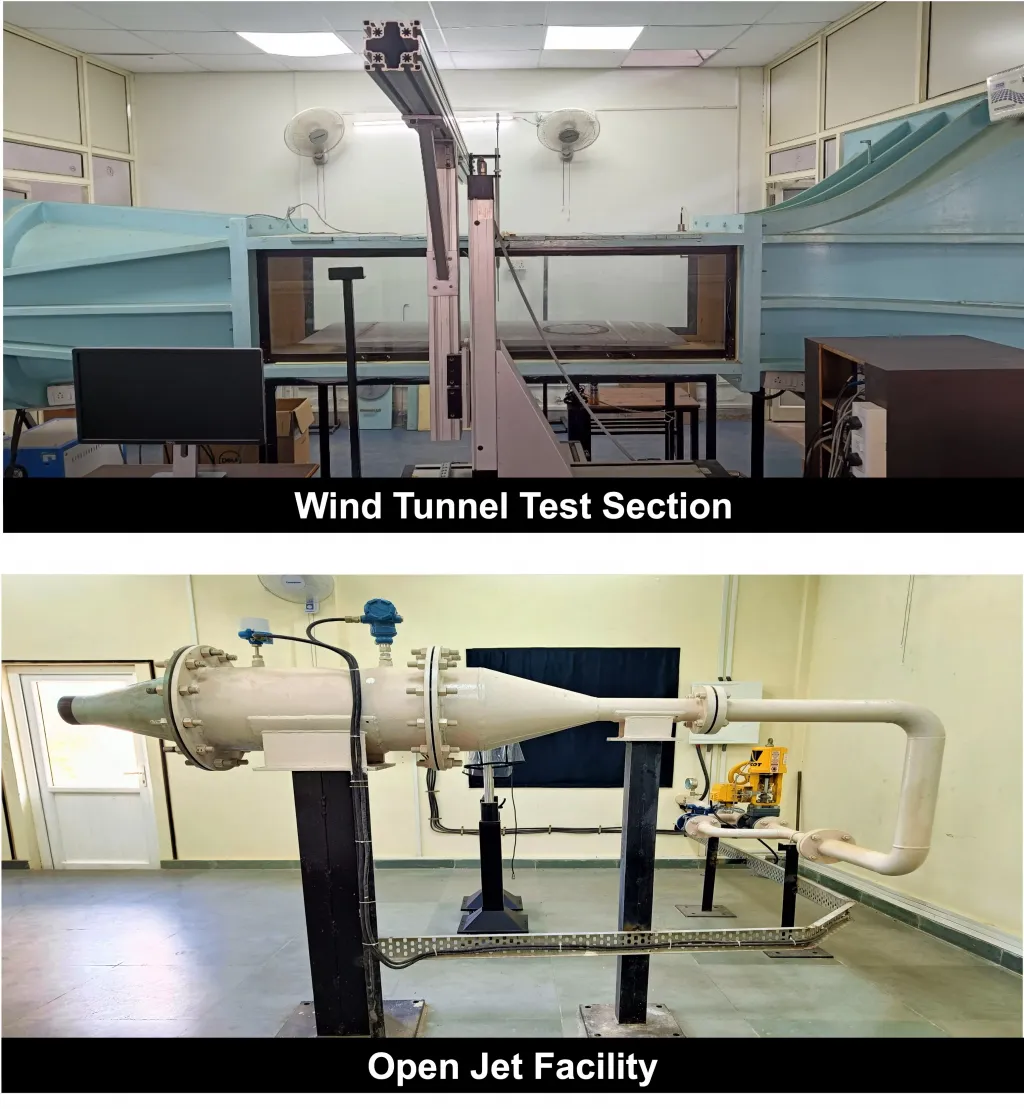
  • The Wind Tunnel and Open Jet Laboratories specialize in a broad range of aerodynamic studies and jet mixing enhancement experiments
  • These facilities are critical for advancing research in fluid dynamics, providing experimental validation and insights into flow behavior, pressure distribution, heat transfer, and mixing enhancement
  • Our labs support investigations ranging from bluff body aerodynamics to jet flow manipulation, with applications in automotive, aerospace, and thermal engineering

Key Research Areas

  • Bluff Body Aerodynamics
  • Flow Control and Separation
  • Vortex Dynamics
  • Jet Impingement and Heat Transfer
  • Turbulent Jet Flow and Shear Layers
  • Multi-Jet Interactions
  • Vehicle Aerodynamics

Significant Facilities & Special Features

  • Wind Tunnel specification
  • Test section cross-section: 600 mm × 600 mm
  • Test section length: 2000mm
  • Maximum speed: 50 m/s
  • Axial flow fan diameter: 1.3 meter
  • Maximum rpm: 1450
  • Number of blades: 12
  • Hub diameter: 500mm

Major Equipment

Other facilities:

  • 2 Channel Constant Temperature Anemometer (CTA) with Software-TSI Instruments India Private Limited
  • Schlieren Imaging System- Model No: HO-SDIS-200BIM, Holmarc Opto-Mechatronics Private Limited
  • 64-channel Miniature Pressure Scanner (MPS4264)- Scanivalve Corp
  • Mini40 force balancing module- ATI Industrial Automation.
  • 3-Axis Traverse System-Model No.T3D, TSI Instruments India Private Limited

Research Funding & Grants

  • DRDO-ARDB [2019–2022]
    • “Drag Reduction by suppressing the Bi-Stability character of the wake”
    • Grant Sanctioned: ₹ 23.01 Lakhs
  • CDRF- BITS Pilani [2024-2026]
    • “Artificial Intelligence control of a minijet-manipulated square turbulent jet”
    • Grant Sanctioned: ₹ 20 Lakhs
  • SPARKLE- BITS Pilani [2023-2025]
    • “Methods to mitigate vortex shedding from a circular cylinder”
    • Grant Sanctioned: ₹ 2 Lakhs

Achievements

Publications:

  • Naveen K. S., S. Clement & P. Ranjan, (2023): Effect of cavity modifications on the suppression of wake’s bi-stability in square back Ahmed body, Sādhanā, Vol. 48, Article number 270, September 2023.
  • Naveen K. S., P. Ranjan, S. Clement (2022) : An experimental study on base pressure behavior during bistability characterisation for a bluff body vehicle close to the ground, Materialstoday, Vol. 62, No. 12, PP. 6534-6543, 2022.
  • Naveen K. S., P. Ranjan, S. Clement (2022) : The effect of aspect ratio on the inception of primary instabilities in the laminar regime wake of a D-shaped cylinder, Proceedings of the Institution of Mechanical Engineers, Part C Journal of Mechanical Engineering Science, Vol. 237, No. 2, September 2022.
  • Naveen K. S., P. Ranjan, S. Clement (2022) : An experimental study on base pressure behavior during bistability characterisation for a bluff body vehicle close to the ground, Materials Today, Vol. 62, No. 12, PP. 6534-6543, 2022.
  • Naveen K. S., P. Ranjan, S. Clement (2021) : The effect of rear cavity modifications on the drag and flow field topology of a Square Back Ahmed Body, Proceedings of the Institution of Mechanical Engineers, Part D: Journal of Automobile Engineering, Vol. 235, No. 7, PP. 1849-1863, 2021.
Campus
Division/Department

Microfluidics Lab

Microfluidics Lab

Faculty-In-Charge

Prof. Siddhartha Tripathi

Lab Overview

Microfluidics lab focuses on providing practical knowledge and experimental insights into understanding fluid flow at micro-scale, studying cell dynamics, & cell separation. The lab is designed to support cutting-edge research in the field of bio-microfluidics, enabling the development of Point-of care devices for biological and medical applications.

Key Research Areas

  • Bio-microfluidics
  • Cell separation
  • Cell dynamics
  • Point-of-Care microdevices

Significant Facilities & Special Features

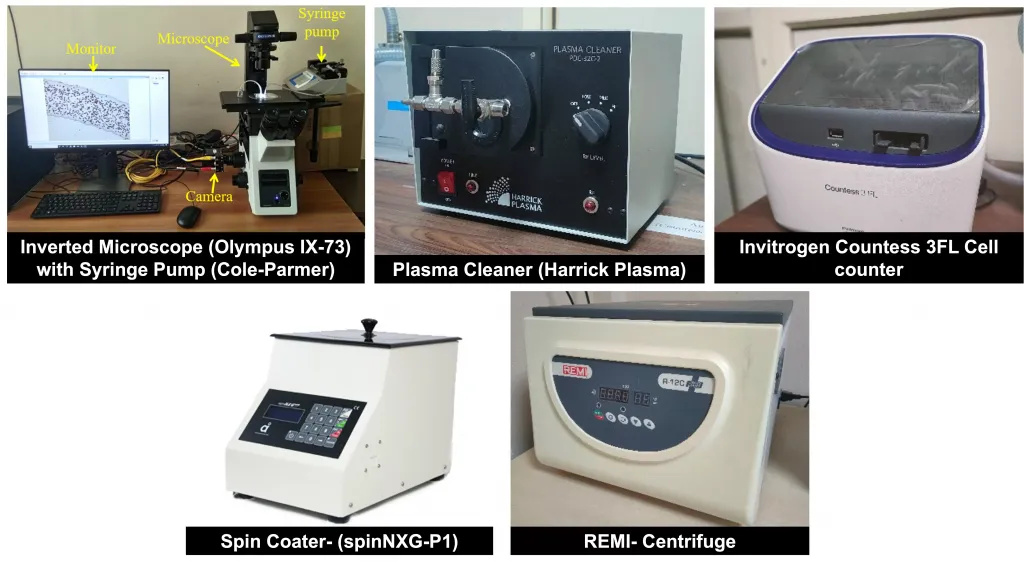
  • PDMS-based microfluidic device fabrication using soft-lithography
  • Surface treatment and bonding using a plasma cleaner
  • Microscale flow visualization with microscopy
  • Cell counting

Major Equipment

Other facilities:

  • Hot air oven
  • PH measurement
  • Colorimeter
  • Vacuum pump
  • Laminar Air Flow
  • Medical Refrigerators

Research Funding & Grants

  • Microfluidics sperm cell sorting device: addressing male infertility factor (SERB-DST 2020-2022)
  • Isolation of white blood cells in a microfluidic device (ACRG BITS-Pilani 2019-21)
  • Isolation of white blood cells in a microfluidic device with applications to point-of-care diagnostics (BITS-BioCyTiH foundation (DST) 2022-24)
  • Microfluidic device for blood plasma separation and detection of Rheumatoid arthritis markers (CDRF BITS-Pilani 2024-25)
  • Achievements

    Publications:

  • Mane, S., Jacob, P., Hemadri, V., Dey, P., Bland, S., Tripathi, S., Characterization of the phagocytic ability of white blood cells separated using a single curvature spiral microfluidic device. Biomed. Eng. Lett. 2024
  • Mane, S., Behera, A., Hemadri, V., Bhand, S., Tripathi, S., Micropump integrated white blood cell separation platform for detection of chronic granulomatous disease. Microchim. Acta 191, 295, 2024
  • Puri, D.B., Kumar, S.S., Hemadri, V., Banerjee, A., Tripathi, S., Analysis of sperm cell motion in high viscosity Newtonian and non-Newtonian fluids using a microfluidic channel. Microfluid Nanofluid 28 (3),11, 2024
  • Behera, A., Mane, S., Hemadri, V., Bhand, S., Tripathi, S., White Blood Cell Separation for On-Chip Detection of Myeloperoxidase Activity Using a Microfluidic Platform. IEEE Sensors Letters, 7(12), 1-4, 2023
  • Mane, S., Hemadri, V. & Tripathi, S., Investigating WBC margination in different microfluidic geometries: Effect of RBC size and shape. Journal of micromechanics and Microengineering,33, 065002, 2023
  • Mane, S., Hemadri, V. & Tripathi, S., Separation of White Blood Cells in a Wavy Type Microfluidic Device Using Blood Diluted in a Hypertonic Saline Solution. BioChip J, 2022
  • Mane, N.S., Puri, D.B., Mane, S., Hemadri, V., Banerjee, A., Tripathi,S., Separation of motile human sperms in a T-shaped sealed microchannel. Biomed. Eng. Lett. 12, 331–342, 2022
  • Rajawat A., Tripathi, S., Disease diagnostics using hydrodynamic flow focusing in microfluidic devices: beyond flow cytometry, Biomed. Eng. Lett. 10, 241-257, 2020

Patents:

  • Mane, P. Jacob, V. hemadri, S. Bhand, S. Tripathi, Spiral microfluidic device for white blood cell separation from human blood, Indian Patent, Appl no. 20231104822

Recognition:

  • PROF. M.G. Deshpande Award BEST PAPER Award in Academia Effect of Newtonian and shear thinning medium on human sperm motion within a microchannel” Fluid Mechanics and Fluid Power, 48th National conference, 27th-29th Dec 2021
Campus
Division/Department

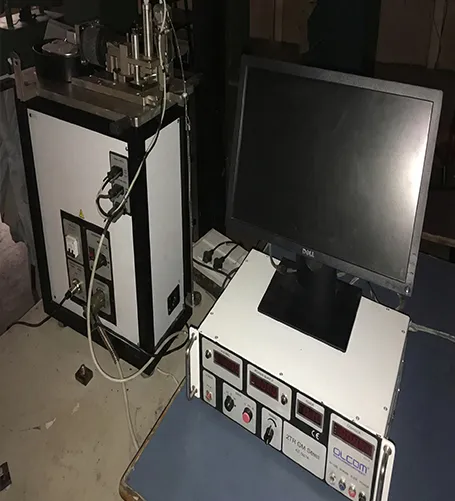
Plastics Testing Lab

Plastics Testing Lab

Faculty-In-Charge

Prof. Sachin D. Waigaonkar

Lab Overview

This Lab focuses on providing practical knowledge and experimental understanding of melt flow properties, static and dynamic mechanical properties of polymeric materials. It supports undergraduate and postgraduate courses in Mechanical Engineering as well as facilitates research activities in the field of polymer and composite materials.

Key Research Areas

  • Rotational Molding of Plastics
  • Rheological and Melt Flow Characteristic of Resins
  • Static and Dynamic Mechanical Properties of Polymers and Composites
  • Accelerated Creep Behavior of Polymers and Composites
  • Environmental Stress Cracking Resistance (ESCR)
  • Oxidative Induction Stability, Heat Deflection Temperature
  • Dry Flow and Bulk Density Studies of Polymeric Materials

Significant Facilities & Special Features

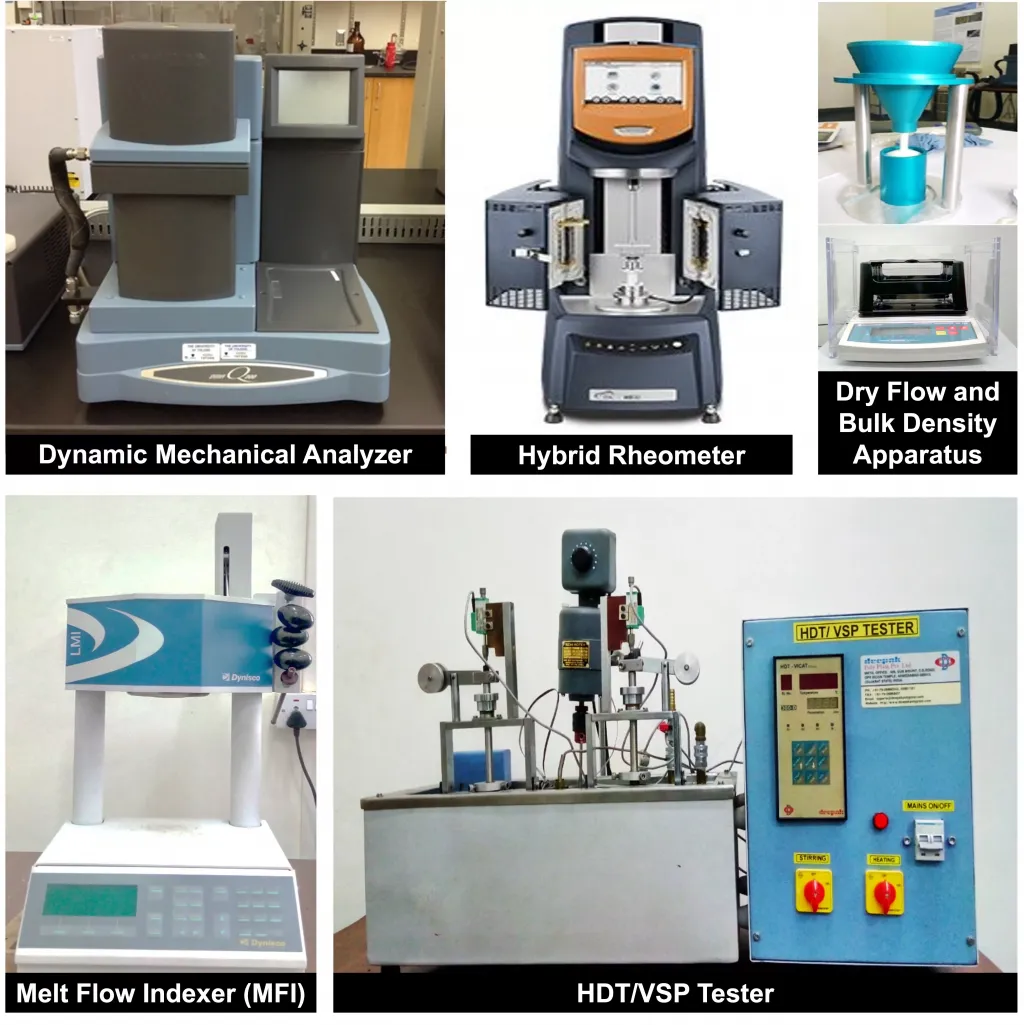
  • Melt Flow Indexer (MFI)
  • An indispensable tool for characterizing a polymer's flow behavior when subjected to heat, offering insights into its processability and quality
  • Hybrid Rheometer Make TA Instruments USA
  • Extensively used to study the flow and deformation behaviours of materials like Polymers, Plastics, Rubber and other materials to understand how materials respond to mechanical stress
  • Dynamic Mechanical Analyzer (DMA) Make TA Instruments USA
  • An insightful tool for investigating Viscoelastic properties like Creep, Glass transition temperature, Storage modulus, Loss modulus and other Material properties
  • Heat Deflection and VICAT Softening Point Tester (HDT/VSP)
  • HDT/VSP tester serves as a fundamental tool for determining a material's response to heat and load, for finding deformation behavior at elevated temperatures
  • Dry Flow and Bulk Density Test Apparatus
  • Instrument used to measure the dry flow time and packing density of polymer powders

Major Equipment

Campus
Division/Department

PVD Coating Lab

PVD Coating Lab

Faculty-In-Charge

Prof. G. Karthikeya

Lab Overview

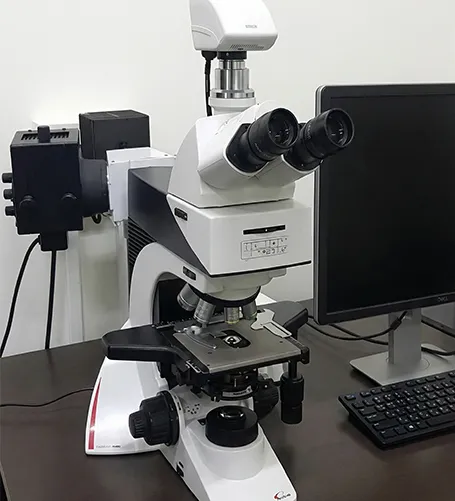
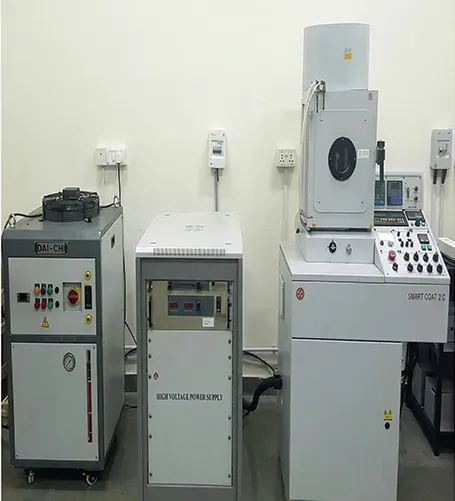
The lab is equipped with EB-PVD system which is an evaporation process where high energy electron beam melts and vaporizes the powder feedstock particles to form deposition onto the substrate under high vacuum condition. The lab also equipped with high-end DST sponsored optical microscope and pin-on-disk tribometer for characterizing the coating surface.

Key Research Areas

  • Thermal Barrier Coating (TBC)
  • Surface characterization of metals and non-metals
  • Micro and Nano coating for sensor applications

Significant Facilities & Special Features

  • Coating metallic and non-metallic materials
  • Coating thickness upto 5µm
  • Surface finish of 0.3 to 0.4 µm
  • Micro-structure characterization of opaque and transparent substrates
  • Friction and wear characterization of wet and dry surfaces

Major Equipment

Research Funding & Grants

  • Science and Engineering Research Board (SERB), DST, Govt. of India. Sanctioned amount is 21 lakhs.

Achievements

  • Established DST funded Optical Microscope facility at BITS which can facilitates both upright and inverted measurement. Encompasses LED, Halogen and Fluorescent sources for wide range of applications
  • Established High-end EB-PVD coating facility at BITS for nano and micro coatings of wide variety of materials
  • PhD Students: 2 Completed and 2 ongoing
  • DST Funded Grants of about 21 Lakhs
  • More than 30 international publications
Campus
Division/Department