

Sustainability
Driving Sustainability Across Our Campuses
At BITS Pilani, we are deeply committed to fostering a culture of sustainability and environmental consciousness. This bold vision is our response to the urgent need to address climate change and its potential impact on the environment and society.
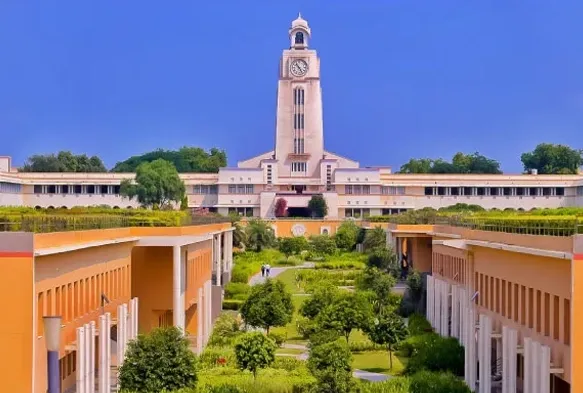
A Campus That Breathes Sustainability
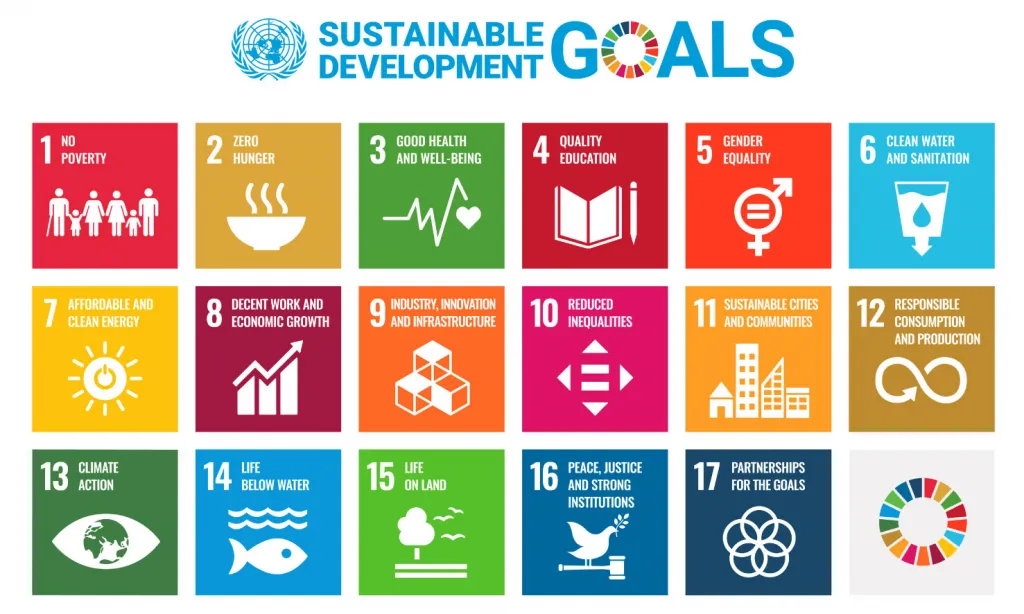
Guiding Principles for a Sustainable Campus & Community
Climate Action Plan
SDG Impact
Sustainable Investment Policy
HESI Community Member
Sustainable Procurement Policy
Race to Zero
Green Audit Report
Anti-Bribery & Anti-Corruption Policy
Code of Ethics
Student Club
Minutes
Carbon Reduction Strategic Plan
Sustainability Initiatives Across Campuses
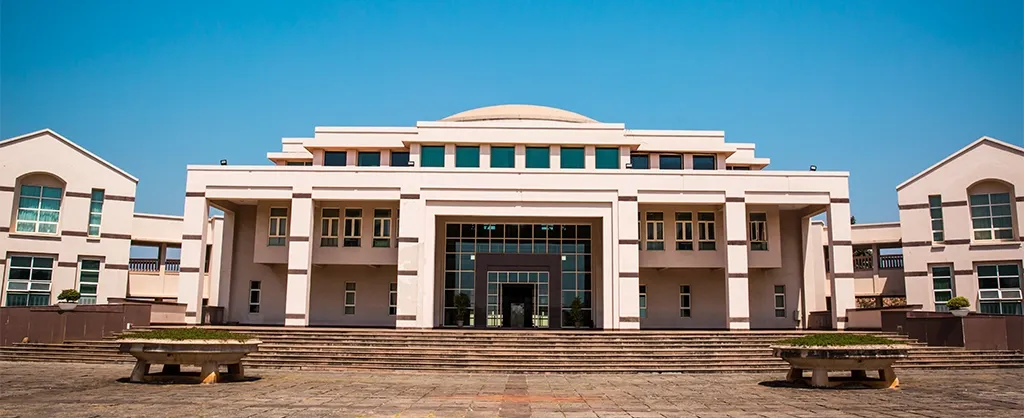
Goa Campus: Leading the Way in Energy, Water & Eco-Friendly Practices
The campus is steadily moving towards sustainability in electricity and water usage. Water conservation and systematic distribution of portable water supply are managed and monitored efficiently. Water used by campus residents is treated scientifically and recycled for use on campus. Campus had aimed to reduce its dependence on conventional power. In this regard, solar-powered power plants and energy-saving fixtures have been introduced and installed on the campus.
Transport on the campus is very limited. Students residing on campus are not permitted to use their private transport within the campus and are encouraged to use public transport for local movement outside the campus. Students use covered corridors to walk from their hostels to the academic block within the campus.
The campus maintains lush green gardens with a rich collection of flora and fauna. Every year, during the monsoon, tree-plantation drives are conducted with the help of students.
ENERGY CONSERVATION
- Over 60 solar water heaters, each with a capacity of 500 litres, are provided at all 20 hostels, which accommodate 3500+ students.
- Approximately 40 standalone solar-powered streetlights are installed on the campus, which is estimated to save around 2,600 kW of electricity annually.
- Approximately 85% of the campus's streetlights (a total of 275) are connected to an off-grid solar power plant capable of producing 19 kW per day. These street lights function on solar power for about six to eight hours every night, which is estimated to save around 41,000 kW of electricity annually. After their solar power runs out, these streetlights operate on conventional power.
- Since 2016, hostels, residential quarters, and academic and administrative buildings constructed as part of the infrastructure expansion have been equipped with LED fixtures to reduce energy consumption.
- Similarly, in the earlier infrastructure, existing CFL, tube lights and other electrical fixtures are being replaced with energy-saving LED fixtures in a phased manner.
- In the coming years, it is planned to install on-grid solar power systems ranging from 50 to 100 kW, thereby enhancing the use of renewable energy on the campus.
WATER CONSERVATION
- Five groundwater recharge points are created across the campus. During the monsoon, surface runoff is directed to a designated area, where it percolates into the ground, replenishing groundwater. Many such recharge points are being planned across the campus in the coming years.
- All overhead tanks and water coolers are equipped with floats, sensors, and other mechanisms to shut off the water supply and prevent overflow.
- Overhead tanks, which are filled with pressurised water supplied by a pump, are fitted with actuator valves to prevent overflow.
Transportation
- Transportation is very limited on campus. 3500+ students residing on campus are not permitted to use their private transport inside the campus.
RECYCLING
- The Sewage Treatment Plant (STP), with a capacity of 600 cumecs, operates around the clock to treat sewage generated by campus residents.
- In the recently completed hostels and residential quarters, STP-treated water is supplied to the EWC flush tanks through a dedicated supply network.
- The treated water is also recycled to maintain a lush green garden.
- The sludge generated at the STP is transferred to a drying bed located near the STP, where it is used as manure after drying.
- Domestic waste generated on campus, including residences, hostels, mess halls, and other facilities, is segregated at the source into dry, wet, and medical waste streams.
- Wet waste is treated in a biogas plant and a composter, with a capacity to treat 1 ton of waste per day.
- Dry waste is further segregated in accordance with the norms and handed over to a GSPCB-approved vendor for recycling.
- All garden waste is composted and converted into manure, which is used to maintain the garden.
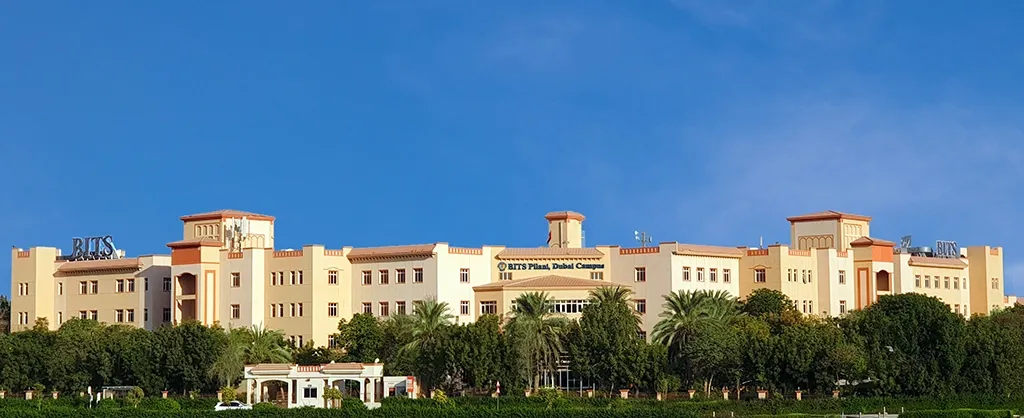
Campus is steadily moving towards sustainability in electricity, water & use of natural resources. Water conservation and systematic distribution of portable water supply are managed and monitored efficiently.
Awareness drive on food wastage.
Food wastage is not only a humanitarian concern but also an environmental problem. Food is extremely energy-intensive, and any wastage will increase the carbon footprint to an alarming level. Wasted food in landfills produces methane, which is more potent than carbon dioxide as a greenhouse gas. About 6%-8% of all human-caused greenhouse gas emissions could be reduced if we stopped food waste. Creating Awareness is the first step towards any effort to bring about a change.
Operation Energy-saving LED lights
LED lamps are more energy-efficient, durable, and emit less heat. By replacing conventional bulbs with LED lighting systems, BPDC saved a whopping 129,121 W. The carbon intensity of electricity production in the UAE is 0.42 kg CO2/kWh, and hence, we are saving 54.23 kg CO2 per hour.
Recycling
Recycling is a key way to reduce our environmental impact. Designated bins are located on the interior and exterior of buildings across campus to collect recyclable materials on a day-to-day basis. Recyclable materials are collected and deposited in the Municipal recycling centre. Every academic year, paper and other recyclable materials are collected and taken to the Dubai Recycling Centre for recycling.
Donation Drives for Used Clothes
Recycling and reusing clothes and other textiles have a significant impact on reducing greenhouse gas emissions and the ecological footprint. Every Year, the Social and Environment Club of BPDC collects clothes and bedding and donates them to the Emirates Red Crescent.
The Book Room (Reuse of Textbooks)
The production of printed books has a significant ecological and carbon footprint due to excessive water use, fossil fuel consumption, and paper consumption. Printed papers in landfills generate enormous amounts of greenhouse gases. To mitigate the negative impacts, used textbooks are made available to students on the BPDC campus for borrowing instead of purchasing new books. Usable papers from the exam booklets were collected and made into scribbling pads, which are distributed among students, Staff and faculty every year.
Earth Day Celebrations
Every year on April 22nd, the world community celebrates Earth Day to Support Environmental Movements and create awareness about the Environment. The BPDC community also celebrated Earth Day on 22.4.2021
Energy and Water Conservation Awareness Drive
Awareness messages promoting energy and water conservation are displayed across the campus to encourage the BITS fraternity to adopt more sustainable living practices.
Greener Alternative for Plastic Bags
Paper bags, being biodegradable, are far more sustainable than plastic bags. Students made paper bags from newspapers and donated them to the Mini Mart (Grocery, BITS Pilani Dubai Campus) and the Canteen for use. This initiative was active till February 2020. It was suspended due to the pandemic.
BITS - Zero Discharge Campus
BITS Pilani is steadily moving towards sustainability in electricity, water & use of natural resources, taking us closer to our aim of becoming a zero-discharge campus. We also aim to reduce dependence on conventional power. In this regard, solar power plants and energy-saving fixtures have been introduced and installed on the campus.
Water conservation and systematic distribution of portable water supply are managed and monitored efficiently. Water used by campus residents is treated scientifically and recycled for use on campus, where it is reused in flushing systems & in horticulture work.
Battery-operated vehicles are being introduced on campus for transportation. 5000+ students residing on campus are encouraged to use cycles for local movement within the campus & public transportation for movement outside the campus.
ENERGY CONSERVATION
- On campus, a total of 949.12 kWp of on-grid rooftop solar power plants have been installed and commissioned to utilise renewable energy. It is planned to commission approximately 45 kWp of rooftop solar power plants by the end of this month.
- Total 26 Nos. Standalone solar-powered street lights are installed on campus, estimated to save around 990 kW of electricity annually.
- Around 80 of the 495 street lights on campus are connected to off-grid solar power plants with a capacity of 18.5 kW per day. These streetlights operate on solar power for approximately eight to ten hours every night, which is estimated to save around 6,753 kW of electricity annually. After their solar power runs out, these streetlights operate on conventional power.
- Since 2014, hostels, residential quarters, and academic and administrative blocks constructed as part of the infrastructure expansion by Project Parivartan have replaced all CFL, Metal Halide, and Fluorescent tube lights with LED fixtures to reduce energy consumption.
- Similarly, existing CFL, tube lights and other electrical fixtures are being replaced with energy-saving LED fixtures in a phased manner.
- On campus, 28 nos. (each carrying 2 nos. of four wheelers) of car parking stands with standalone solar-powered lights, able to park 56 nos. of four wheelers.
- On campus, all the newly renovated hostel’s toilets and exhaust fans are controlled with motion sensors to save electricity.
- On campus, all streetlights (total number: 495) are of the LED type.
- On campus, all street lights (a Total of 495) are turned on/off using LDRs, depending on sunlight intensity. No need to change time as seasons change.
WATER CONSERVATION
- Six groundwater recharge points are created across the campus. During the monsoon, surface runoff is directed to a designated area, where it percolates into the ground, replenishing groundwater. Many such recharge points are being planned across the campus in the coming years.
- All overhead tanks and water coolers are equipped with floats, sensors, and other mechanisms to shut off the water supply and prevent overflow.
- Overhead tanks, which are filled with a pressurised water supply via pumps, are fitted with actuator valves to prevent overflow.
- Insulation on the water storage tank at Ram & Budh Bhawan to guard against extreme temperatures.
- VFD-based hydro pneumatic system.
- Pumps & equipment selected at the ’best ‘energy efficiency point.
- Use of low-flow fixtures.
- Use of treated water with a BOD less than 10 ppm and a COD less than 50 ppm from a STP for HVAC cooling tower make-up, flushing, and irrigation.
IRRIGATION WATER NETWORK
- Irrigation water for landscape use within the campus is of domestic quality. It is sourced from our in-house STP and meets the acceptable parameters as per governing requirements, enabling us to maintain lush green gardens.
RECYCLING
- Domestic waste generated on campus, including residences, hostels, messes, etc., is segregated at source into dry and wet waste.
- To maintain environmental balance and optimise the utilisation of available waste, biodegradable waste is being processed.
- The Solid Waste Management Facility is being developed on campus with a 2-ton-per-day capacity organic waste processing plant to treat wet organic waste generated by residents and kitchen facilities.
- The plant produces biogas, which is stored & used to generate electricity with a Biogas Generator.
- The plant's by-product is organic manure used as a soil improver.
- The two Sewage Treatment Plants (STPs) with a capacity of 1 MLD & 1.5 MLD each are working round the clock to treat sewage generated by the residents of the campus.
- Flushing water sourced from the in-house sewage Treatment plant. The Treated Effluent for flushing is obtained after tertiary treatment at STP. Treated effluent is odourless and shall have acceptable chemical /bacteriological parameters as per the Rajasthan Pollution Control Board's laws. Recently, in some hostels, STP-treated water is supplied to flush tanks of EWC through a dedicated supply network.
- The sludge generated at the STP is transferred to a nearby drying bed, where it is used as manure after drying.